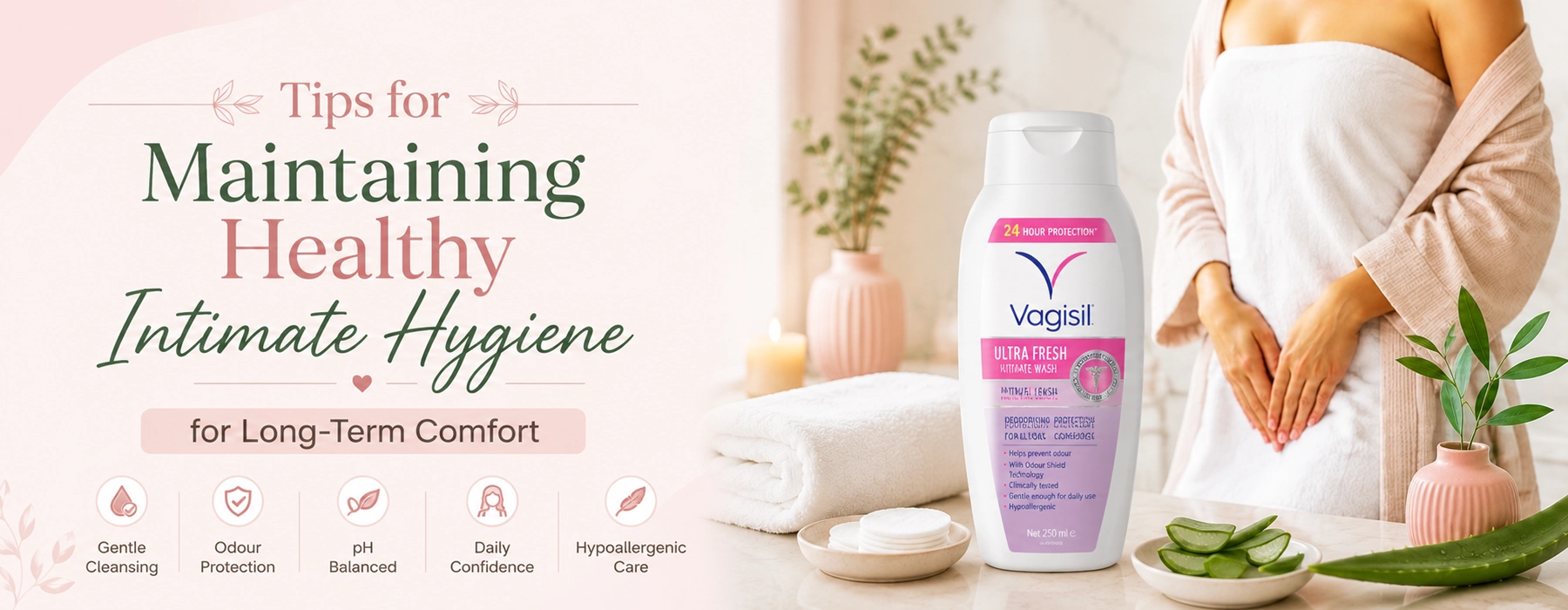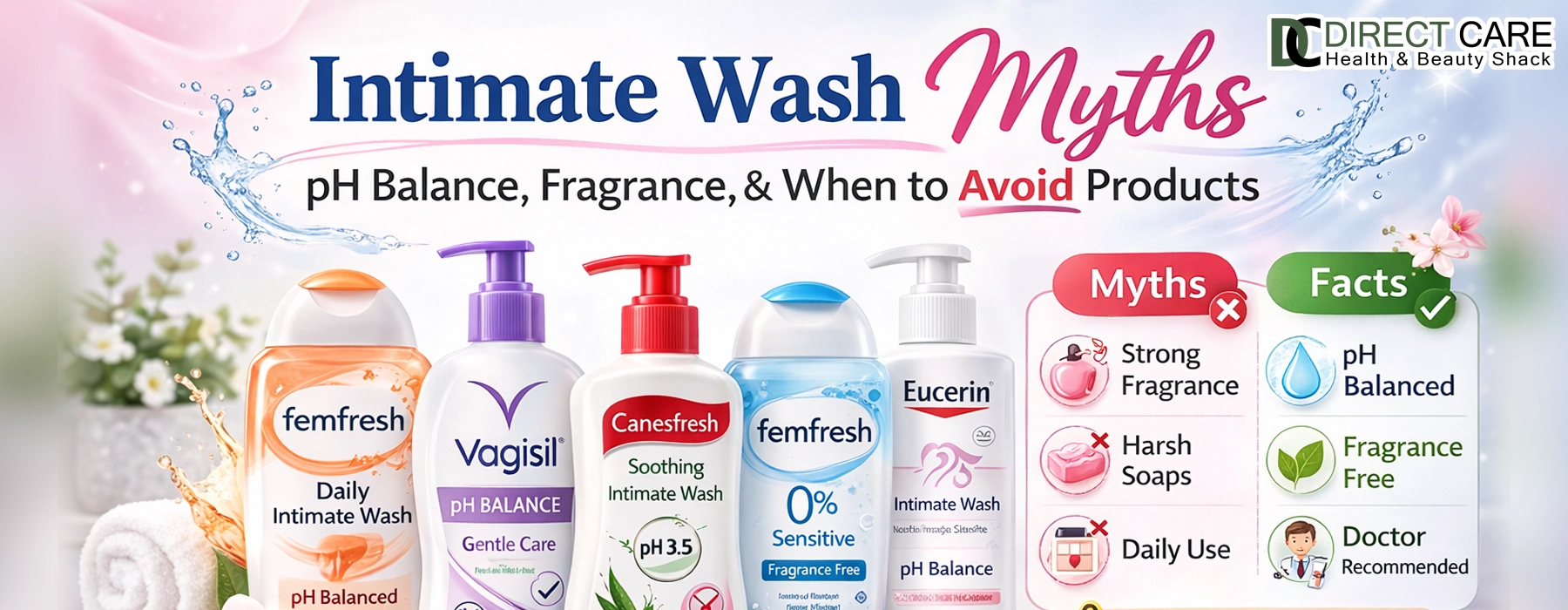
Many people believe that “squeaky clean” is the gold standard for intimate health, yet medical science suggests that aggressive scrubbing causes recurrent infection. Societal taboos and commercial marketing often promote harsh, scented products that disrupt the delicate biological equilibrium of the vulvovaginal area. This guide deconstructs common intimate hygiene myths, providing a technical understanding of how to support your body’s natural chemical barriers. Formulations within the Direct Care Intimate Hygiene Collection focus on pH-adjusted, soap-free ingredients to maintain tissue integrity. Transitioning to a science-backed routine protects your long-term comfort and prevents unnecessary dermatological irritation.
Myth 1: Standard Body Soap is Suitable for Intimate Care
- The Alkaline Threat to Intimate Tissue: Standard bar soaps and common shower gels register high on the alkalinity scale. These products are highly alkaline and clash with the natural environment of the intimate area.
- The Vulnerable Acid Mantle: The external intimate area requires a specific acidic environment to function as an effective biological barrier. This acid mantle acts as the first line of defence against external irritants.
- Protection Through Lactobacilli Proliferation: A healthy environment relies on a high population of beneficial bacteria. These bacteria produce substances that maintain acidity and actively inhibit the growth of harmful pathogens.
- The Consequence of Chronic Alkalinity: Frequent exposure to high-alkalinity cleansers leads to a shift in the local chemistry. This condition causes the skin to become thin, permeable, and prone to microscopic tears.
- Supporting the Barrier with Lactic Acid: Specialised washes often include lactic acid to reinforce the natural defence system. This approach ensures the wash contributes to health rather than removing surface debris.
Myth 2: Scented Products Indicate Superior Hygiene
- Fragrance as a Primary Dermatological Allergen: Manufacturers add synthetic fragrances to create a perception of freshness. However, fragrances serve as a leading cause of allergic reactions in personal care.
- The Breakdown of Chemical Irritants: Synthetic perfumes frequently contain complex chemical structures and various alcohols. These ingredients act as solvents that dissolve the natural lipid barrier of the skin.
- The Risk of Masking Clinical Symptoms: A healthy intimate area possesses a natural, mild scent that changes during the menstrual cycle. Using heavy artificial scents often delays the diagnosis of underlying issues.
- Microbiome Sensitivity to Synthetic Additives: The delicate balance of flora reacts poorly to the preservative systems used in scented washes. These preservatives often kill beneficial bacteria along with potential pathogens.
- The Self-Cleaning Anatomy Reality: The internal vaginal canal is a self-regulating, self-cleaning organ. External hygiene focuses only on the vulva to prevent accidental internal disruption from foreign chemicals.
Myth 3: Internal Cleaning is Necessary for Health
- The Mechanical Decimation of Microflora: Internal cleaning involves the forceful introduction of water or chemical solutions. This mechanical action flushes out the entire beneficial bacterial colony.
- The Clinical Infection Paradox: Research consistently shows that people who practice internal cleaning face a significantly higher risk of chronic infections. It creates an ecological vacuum that pathogens fill quickly.
- The Danger of Ascending Pathogens: The physical force used during internal cleaning pushes external bacteria further into the reproductive tract. This movement leads to serious complications and inflammation.
- Disruption of the Natural Mucus Barrier: The body produces specific types of mucus to protect the reproductive system from infection. Internal cleaning washes away this protection, leaving the system exposed.
- Maintaining Stability with External Care Only: High-quality care focuses exclusively on the external folds. The goal involves removing sweat and debris without interfering with the internal environment.
When to Avoid Products: Recognising Clinical Red Flags
- Management of Persistent Inflammation: When the skin is already compromised by an active infection, even specialised washes cause stinging. In these acute phases, you need to use only plain, lukewarm water.
- Identifying Changes in Discharge Texture: Healthy discharge varies in consistency but generally remains clear or white. Unusual textures indicate an active infection that requires medical intervention rather than cosmetic washing.
- Addressing Strong and Persistent Odours: A distinct, unusual odour serves as a primary clinical indicator of an imbalance. Instead of washing the odour away, you need to use specific gels that restore balance.
- The Post-Treatment Recovery Window: During and immediately after a course of medication, the intimate microbiome exists in a state of flux. Healthcare professionals recommend a product-free window during this time.
- Recognising Allergic Reactions: If you notice sudden swelling or redness after using a new wash, you likely experience a reaction to an ingredient. You need to discontinue use immediately.
Choosing the Right Formulation: Ingredients and Ratios
- The Importance of Lactic Acid Integration: High-quality washes include lactic acid as a primary ingredient. This ensures the product actively reinforces the natural acid mantle during the cleansing process.
- Utilising Anti-Inflammatory Botanicals: Ingredients like Aloe Vera and Calendula provide a secondary layer of protection. These botanicals possess natural properties that soothe the skin during hormonal fluctuations.
- Hydration and Barrier Technology: Dryness is a common concern during certain life stages. Hydrating gels and washes containing specific moisture-retaining ingredients help restore tissue elasticity and prevent cracks.
- Testing Standards for Safety: You need to focus on products that have undergone rigorous clinical testing. Look for labels that confirm the product is soap-free and dermatologically approved for sensitive tissue.
- Soap-Free Surfactant Systems: Traditional soaps use harsh fats to create foam. Intimate washes use soap-free systems that cleanse effectively while leaving the delicate lipid barrier intact.
Shop Intimate Hygiene
Stop compromising your intimate health with harsh, alkaline soaps that trigger recurrent irritation. You need to adopt a science-backed hygiene routine that respects your body’s natural chemistry and protective barriers. Direct Care provides a professional, pharmacist-approved selection of pH-balanced washes and soothing treatments from industry leaders like Femfresh, Vagisil, and Balance Activ. Our soap-free formulations ensure you maintain a healthy acidic environment while eliminating external debris safely. Browse through our intimate hygiene category to secure the clinical-grade care your body requires.